
Sep 24, 2026Buying Guides
How to Choose the Right Lipstick Color for Your Skin Tone: A Complete Guide
Learn how to choose the right lipstick color for different skin tones and undertones. Explore our lipstick collection for your private label cosmetic brand.
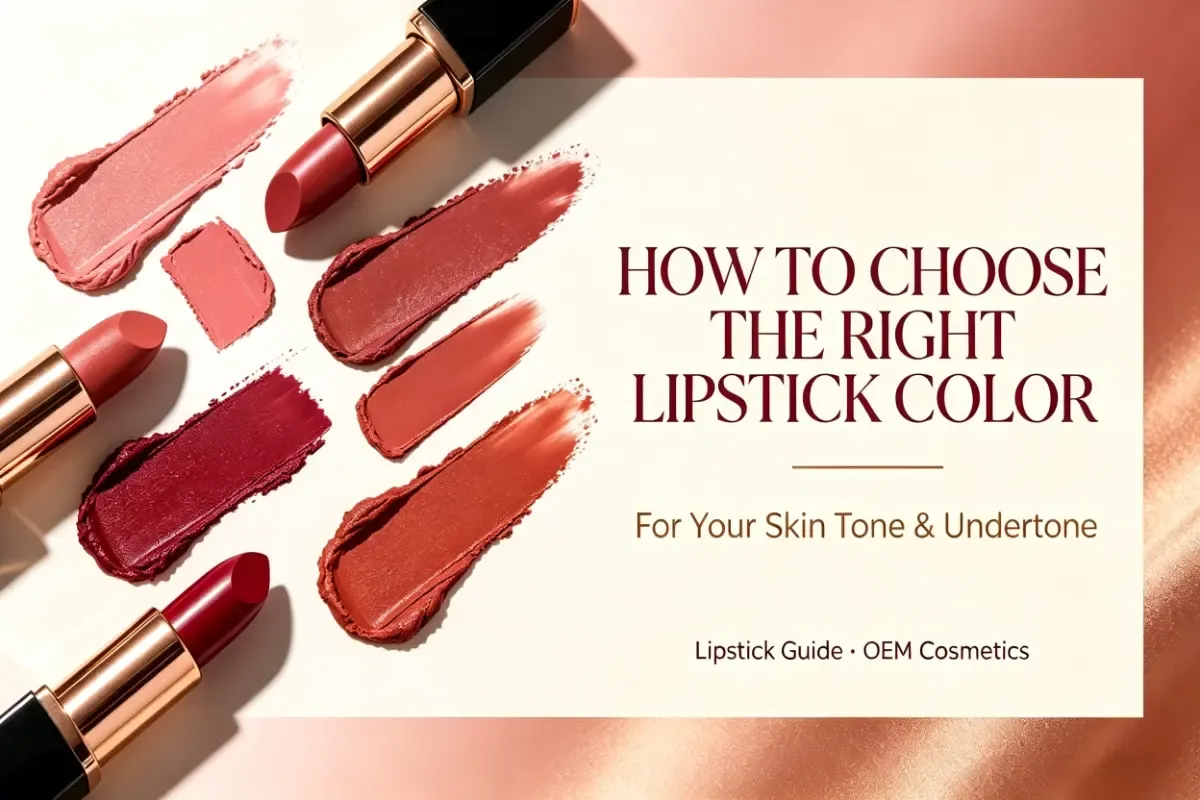
Choosing the right lipstick color can completely change the look of your makeup. The right shade can brighten your complexion, enhance your natural features, and make an everyday makeup look feel more polished.
But with so many lipstick shades available—from soft nudes and rosy pinks to classic reds and deep berry tones—finding the right one can feel overwhelming.
The good news? You don't have to follow complicated makeup rules. Understanding your skin tone, undertone, and personal style can make it much easier to find lipstick shades that complement you.
In this guide, we'll show you how to choose lipstick colors that work well with your skin tone and how to find shades you'll actually enjoy wearing.
Understand Your Surface Skin Tone First
Your skin tone refers to how light or deep your skin appears on the surface.
A simple way to categorize skin tone is:
- Fair
- Light
- Medium
- Tan
- Deep
Your skin tone can change slightly depending on the season or sun exposure, so it's also important to understand your undertone.
Figure Out Your Skin Undertone (Cool, Warm, or Neutral)
Your undertone is the subtle color underneath your skin. Unlike your surface skin tone, your undertone usually stays relatively consistent.
There are three common undertones:
Cool Undertones
Cool undertones often have pink, red, or bluish hints.
Lipstick shades that may complement cool undertones include:
- Blue based reds
- Rose pink
- Berry
- Plum
- Mauve
- Cool toned nude
If warm orange or yellow
based shades tend to make your complexion look less balanced, you may have a cool undertone. Searching for the best lipstick shades for cool undertones is a great starting point for your next purchase.
Warm Undertones
Warm undertones often have golden, peachy, or yellow hints.
You may want to explore:
- Coral
- Peach
- Warm nude
- Terracotta
- Orange red
- Warm brown
These shades can complement the golden or peachy qualities of warm undertones. Many beauty lovers look for the best lipstick for warm undertones to match their glowing complexions.
Neutral Undertones
Neutral undertones have a balance of warm and cool characteristics.
This can give you more flexibility when choosing lipstick colors. You may be able to wear both warm and cool shades comfortably.
Try experimenting with:
- Classic red
- Rose
- Pink nude
- Peach nude
- Berry
- Mauve
Ultimately, the best shade is the one that makes you feel confident.
Best Lipstick Shades For Different Skin Tones
Best Lipstick Shades for Fair Skin Tones
If you have fair skin, very deep or highly saturated shades can create a dramatic contrast, while softer shades can create a more subtle look.
For everyday makeup, consider:
- Soft pink
- Rose
- Peach
- Nude pink
- Light coral
For a bolder look, try:
- Classic red
- Berry
- Raspberry
- Deep rose
If you have a cool undertone, blue
based reds and pinks may complement your complexion. If you have a warm undertone, peach, coral, and warm reds may be worth trying. Finding the perfect red lipstick for fair skin comes down to matching your undertone.
Best Lipstick Shades for Light to Medium Skin
Light
to
medium skin tones can work beautifully with a wide range of lipstick shades.
For everyday looks, consider:
- Rose nude
- Pink
- Peach
- Mauve
- Warm nude
For a more defined look:
- Classic red
- Brick red
- Berry
- Terracotta
- Deep rose
The key is not simply choosing a shade based on how light or dark your skin is. Your undertone and the overall makeup look you're creating also matter.
Best Lipstick Shades for Medium to Tan Skin
Medium and tan skin tones can pair beautifully with richer shades that add warmth or contrast.
Consider trying:
- Caramel nude
- Warm rose
- Terracotta
- Coral
- Brick red
- Berry
- Rich red
For a natural everyday look, a warm nude or rose
brown shade can create a polished appearance without looking too dramatic.
For evening makeup, deeper reds and berry shades can create more definition.
Best Lipstick Shades for Deep Skin Tones
Deeper skin tones can be beautifully complemented by rich, saturated shades.
Consider:
- Deep red
- Burgundy
- Plum
- Berry
- Chocolate brown
- Wine
- Deep rose
Bright colors can also create a beautiful contrast. Don't be afraid to experiment with vivid reds, fuchsia, or other bold shades. Those shopping for nude lipstick for deep skin should lean into brown
rich, pigmented formulas instead of pale beige options.
The goal isn't to follow a strict set of rules. Lipstick is a form of self
expression, so shades that make you feel comfortable and confident are always worth exploring.
How to Pick the Perfect Nude Lipstick for You
Nude lipstick doesn't mean there is one universal nude shade for everyone.
A good nude lipstick usually complements your natural lip color rather than completely matching your skin.
If you have fair or light skin, you might explore:
- Pink nude
- Peach nude
- Beige nude
For medium skin:
- Rose nude
- Caramel nude
- Warm beige
For tan or deep skin:
- Brown nude
- Rose brown
- Caramel
- Deep beige
A useful tip is to compare a nude lipstick with your natural lip color. If the shade makes your lips look washed out, try choosing a nude with a little more pink, peach, brown, or rose.
Finding the Best Red Lipstick for Your Complexion
Red lipstick is one of the most versatile makeup choices, but different reds create very different effects.
Cool Reds
Cool reds often have blue or berry undertones and can create a classic, defined look.
Warm Reds
Warm reds often contain orange, coral, or brick tones and can create a warmer appearance.
Neutral Reds
Neutral reds sit somewhere between warm and cool and can be an easy starting point if you're unsure which direction to choose.
If you're buying your first red lipstick, a classic red with a balanced undertone can be a good shade to experiment with.
Think About the Finish, Not Just the Color
The lipstick color isn't the only factor that affects the final look.
The finish can change how the shade appears and how the makeup feels.
Matte
Matte lipstick has little to no shine and can create a more defined, sophisticated look.
Satin
Satin finishes offer a balance between color and softness, with a subtle sheen.
Glossy
Glossy lip products create shine and can make the lips look fresh and more dimensional.
Sheer
Sheer formulas provide lighter color and allow more of your natural lip tone to show through.
The same color can look completely different depending on the finish.
Every lipstick finish works differently on different lip conditions. If you have dry lips, matte formulas may emphasize flakiness, so satin or creamy lipstick can be more comfortable for daily wear. People with oily lips may find matte and long
wear formulas hold up much better throughout meals. Picking the right finish is just as critical as picking flattering lipstick colors for your skin tone.
Consider Your Overall Makeup Look
Instead of choosing lipstick in isolation, think about the complete makeup look.
For a natural everyday look, try:
- Soft nude
- Rose
- Pink
- Peach
For a soft glam look, consider:
- Mauve
- Rose brown
- Berry
- Warm nude
For a classic makeup look, try:
- Classic red
- Rose
- Deep pink
For a bold evening look, consider:
- Burgundy
- Deep berry
- Wine
- Deep red
Your lipstick doesn't have to perfectly match your eyeshadow or blush. It simply needs to work harmoniously with the overall look.
Don't Forget Your Natural Lip Color
Your natural lip color can affect how a lipstick shade looks after application.
The same lipstick may appear slightly different on different people because of differences in:
- Natural lip pigmentation
- Skin tone
- Undertone
- Lip texture
- Lighting
That's why looking at a lipstick swatch on someone else can be helpful, but it shouldn't be the only factor you use when choosing a shade.
Whenever possible, look for swatches on multiple skin tones or try the product yourself.
The Best Lipstick Color Is the One You Feel Good Wearing
Makeup doesn't have to follow strict rules.
Your skin tone and undertone can provide a useful starting point, but personal preference matters just as much.
If you love a bright pink, wear it. If you prefer a classic red, make it your signature shade. If nude lipstick is your everyday favorite, experiment with different nude undertones until you find one that feels right.
The best lipstick is ultimately one that complements your look and makes you feel confident.
Frequently Asked Questions
How do I know which lipstick color suits me?
Start by identifying your skin tone and undertone. Then consider shades that complement those characteristics. You can also experiment with different colors and finishes to see which ones you enjoy wearing most.
What lipstick color is best for everyday makeup?
Soft nude, rose, pink, peach, and mauve shades are popular choices for everyday makeup. The best option depends on your skin tone, undertone, and personal style. Shop our everyday
friendly lipstick range → Link to category page.
What lipstick color makes lips look fuller?
Glossy and sheer finishes can create the appearance of more dimension. Applying a slightly deeper lip color around the outer edges and a lighter or glossy shade toward the center can also create a fuller
looking effect.
Should lipstick match my skin tone?
It doesn't have to match your skin tone exactly. In many cases, choosing a shade that complements your skin's undertone and your natural lip color creates a more balanced look.
How do I choose a nude lipstick?
Look for a nude shade that is close to your natural lip color while adding the tone you prefer, such as pink, peach, rose, or brown. If a nude shade makes your lips look washed out, try a slightly deeper or more rosy version.
Ready to test these flattering lipstick shades? Browse our full collection of lipsticks → Link to Lipstick category page From everyday nude shades to statement
making reds, you can find formulas suited for different undertones and preferences.
Final Thoughts
Choosing the right lipstick doesn't have to be complicated.
Start with your skin tone and undertone, consider your natural lip color, and then explore different shades and finishes. From everyday nude lipstick to bold red and deep berry shades, there are countless possibilities to experiment with.
Most importantly, don't be afraid to step outside traditional makeup rules. The right lipstick is not simply the shade that matches a chart—it's the shade that makes you feel your best。
FAQ
What lipstick shade suits all skin tones? Muted rose and soft berry are universal flattering shades that work for most undertones. What lipstick color makes lips look fuller? Glossy and sheer finishes can create the appearance of more dimension. Applying a slightly deeper lip color around the outer edges and a lighter or glossy shade toward the center can also create a fuller-looking effect.
Looking for custom lipstick shades for your brand? Contact us to discuss your OEM lipstick requirements.