
Nov 2, 2026Buying Guides
Professional Makeup Bulk Purchasing Guide for Wholesale & OEM Buyers
Master makeup bulk purchasing for wholesale and OEM orders. Learn spot vs custom MOQ, color selection, sampling inspection, lead time and cost control tips for private label beauty brands.
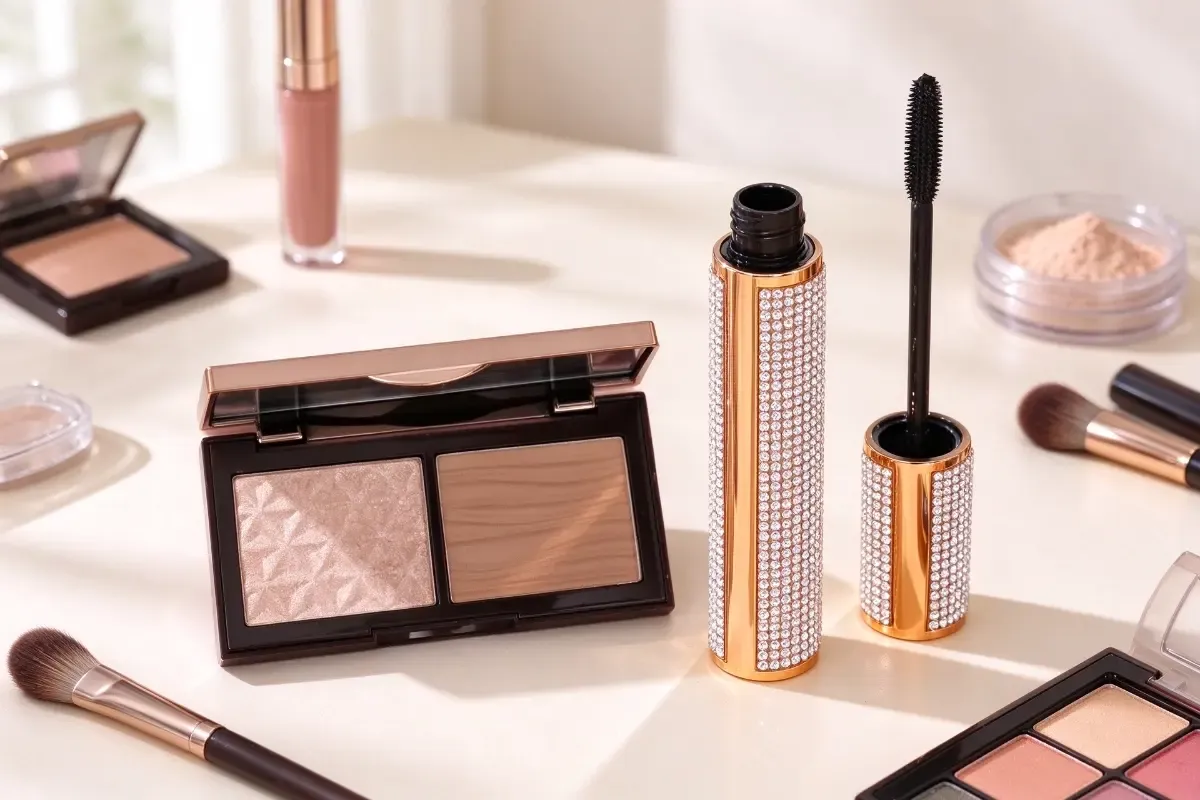
When buying makeup in bulk, new buyers often confuse spot goods with custom OEM production. Choosing the wrong order model will affect your cash flow, delivery time and product differentiation.
Spot goods are ready-made products with existing formulas, packaging and color ranges. They usually support smaller minimum order quantities and faster shipping, making them suitable for new sellers, test marketing and fast replenishment. Custom OEM requires higher MOQ, longer lead time and more coordination on formula, packaging and labeling, but it gives you exclusive private label products and stronger brand differentiation.
If you want stable bestsellers for existing stores, you can start with neutral brown eyeshadow, nude lipstick and soft rose blush. If you want to build a unique product line, custom OEM is a better choice. You can check our makeup category for available wholesale items.
Spot Goods vs Custom OEM: Which Model Fits Your Business?
Color selection directly affects your inventory turnover. Many buyers overestimate trend risk and order too many bold shades at once. A safer purchasing strategy is to combine core stable colors with a small number of trend colors.
For lip products, nude pink, rose red and classic red are stable year-round colors. For eyeshadow, neutral browns, warm oranges and soft champagnes are easier to sell across different regions. For cheek products, peach, rose and berry shades match most skin tones and reduce return risk.
If your target market prefers social media makeup, you can add a small number of highly pigmented or glitter shades. However, these trend colors should remain a smaller part of your catalog until you confirm market demand.
How to Select High-Demand Colors for Bulk Orders
Makeup quality problems usually appear in sampling, bulk production and delivery stages. Professional buyers need to set clear checkpoints before mass production.
For highlighter and contour products, check powder texture, pressing hardness, fallout level and color uniformity. Poorly pressed contour powder may break easily during shipping, while overly hard pans are difficult to pick up. Our dual highlighter and contour palette is formulated for bulk orders with stable texture and consistent shading.
For mascara, focus on brush structure, viscosity, smudge resistance and volumizing effect. Common defects include clumpy lashes, easy flaking, dry formula and uneven liquid flow. Our private label volumizing waterproof mascara is suitable for high-volume wholesale and private label production.
For lipstick and liquid blush, check color saturation, texture smoothness, packaging sealing and batch consistency. Bulk orders should be inspected against approved samples, including color difference, weight tolerance and appearance finish.
Quality Checkpoints During Bulk Production
Clear order terms help you avoid misunderstandings with suppliers. Before placing bulk orders, confirm sample cost, sample lead time, revision policy, production lead time, payment terms and shipping method.
Sampling is mandatory for custom OEM orders. The sample should represent the final formula, color, packaging and quality level. Once the sample is approved, bulk production should follow the same specification. If the bulk batch shows obvious deviation from the sample, you should request rework or adjustment before shipment.
Lead time depends on customization level. Standard wholesale items may ship within days, while private label makeup may take several weeks. Buyers should plan their purchase cycle according to sales speed, marketing campaigns and inventory safety stock.
Sampling, Lead Time and Order Process
Cost control does not mean choosing the lowest unit price. The real cost includes product cost, mold cost, packaging cost, shipping cost, inspection cost and return loss. A slightly higher unit price with stable quality may save more money in the long term.
To control cost, you can start with standard packaging and existing formulas. Custom packaging and exclusive formulas usually require higher investment. You can also adjust order quantity according to market feedback: order more for proven bestsellers and smaller quantities for new trend items.
Cost Control for Wholesale and Private Label Orders
A professional makeup bulk purchasing guide helps wholesale and OEM buyers choose the right business model, control quality and reduce procurement risk. By distinguishing spot goods from custom OEM, selecting balanced color ranges, setting strict sampling rules and planning production lead time, you can build a more stable and profitable makeup catalog.
If you are ready to start a private label line, begin with best-selling categories such as lipstick, eyeshadow and blush, then expand into high-margin items like highlighter, contour and mascara after stabilizing your core sales.
Conclusion
A professional makeup bulk purchasing strategy helps wholesale and OEM buyers pick the right cooperation mode, lock in stable quality and lower procurement risks. By distinguishing spot stock from custom OEM, selecting balanced color combinations, setting strict sampling standards and arranging production cycles reasonably, you can build a sustainable and profitable makeup product portfolio. If you are ready to start a private label line, begin with best-selling categories such as lipstick, eyeshadow and blush, then expand into high-margin items like highlighter, contour and mascara after stabilizing your core sales.